
Über uns

Seit über 100 Jahren helfen wir dabei, Wissen zu erlangen und Kulturgüter zu bewahren.
Ein Ort für Wissen, Lernen und Austausch
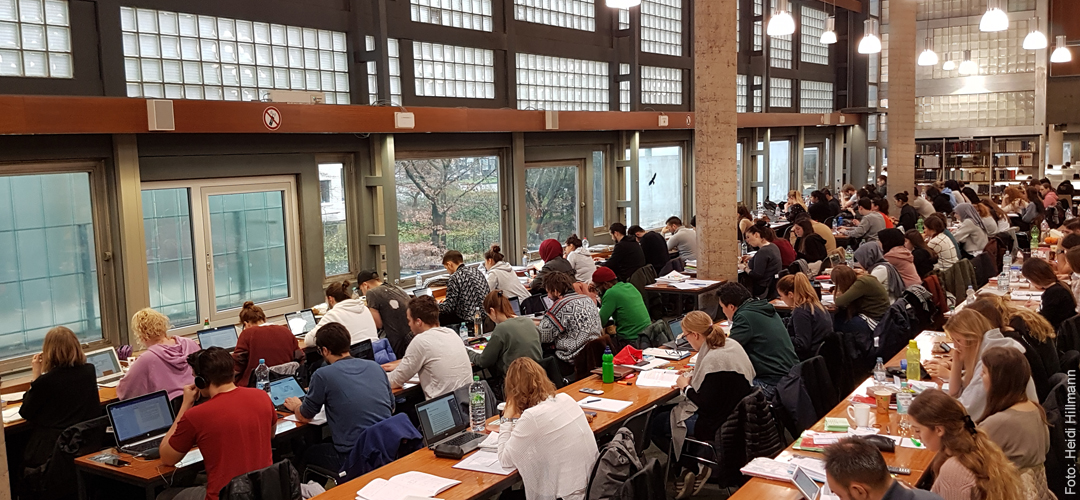
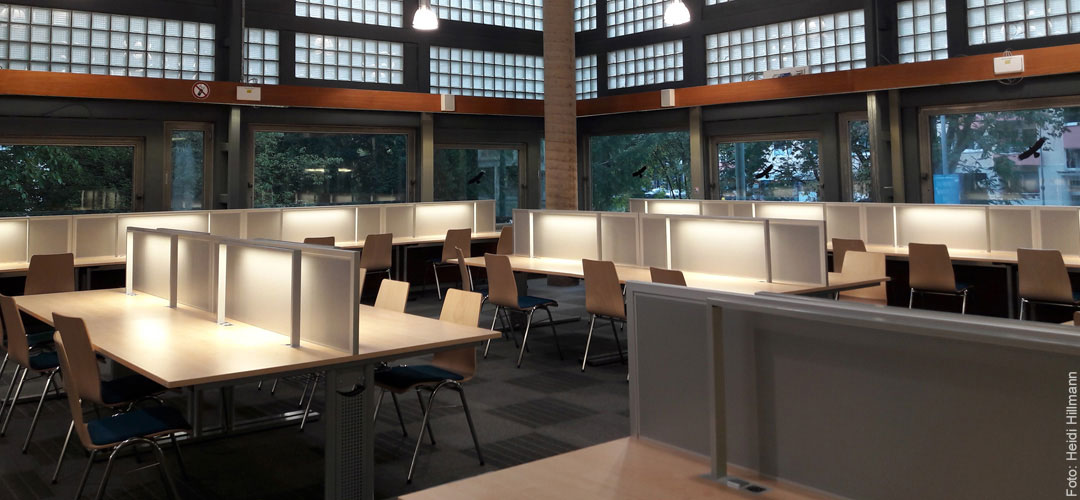
Die Universitäts- und Stadtbibliothek Köln ist der zentrale Lernort für Studierende der Universität zu Köln, und sie steht auch Studierenden anderer Hochschulen sowie allen Bürger*innen aus der Region offen. Mit einem Bestand von mehr als vier Millionen Titeln sind wir die größte wissenschaftliche Bibliothek in Nordrhein-Westfalen. Über 60.000 registrierte Nutzer*innen, mehr als 800 Lernplätze und rund eine Million Besucher*innen pro Jahr zeigen unsere Bedeutung für Studium, Forschung und Stadtgesellschaft.
Infos für den ersten Besuch
Kurs- und Beratungsangebot
Vielfältige Services
Unsere Services unterstützen Lehre, Studium und Forschung auf allen Ebenen: Wir beschaffen wissenschaftliche Literatur in gedruckter und elektronischer Form, wir unterstützen Wissenschaftler*innen bei der Finanzierung von Open Access-Publikationen und stellen eine Infrastruktur zur Verfügung, damit sie selbst Bücher und Zeitschriften herausgeben können. Wir bieten gemeinsam mit dem ITCC und dem Dezernat Forschungsmanagement Services für das Management von Forschungsdaten an. Für die Studierenden halten wir ein umfangreiches Angebot an Beratungsmöglichkeiten, Führungen und Schulungen vor.
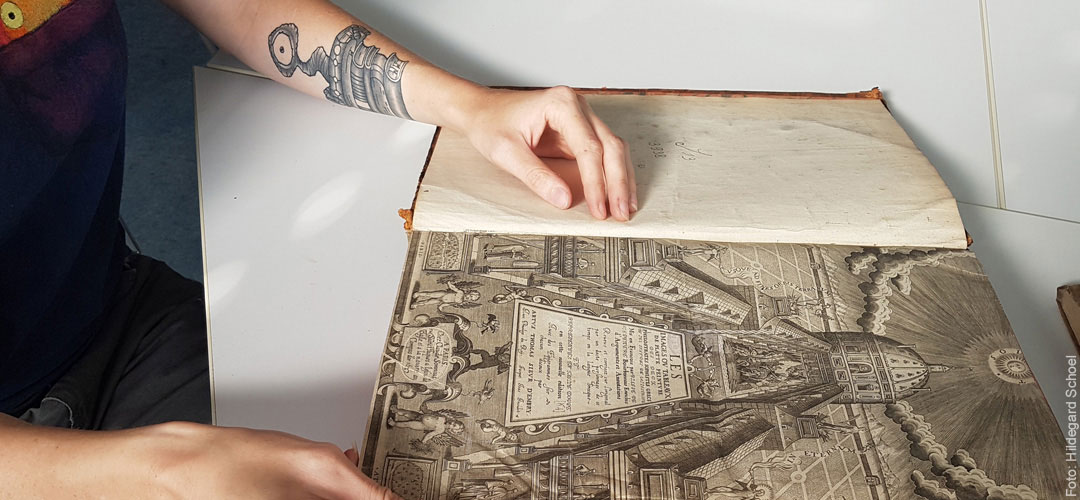
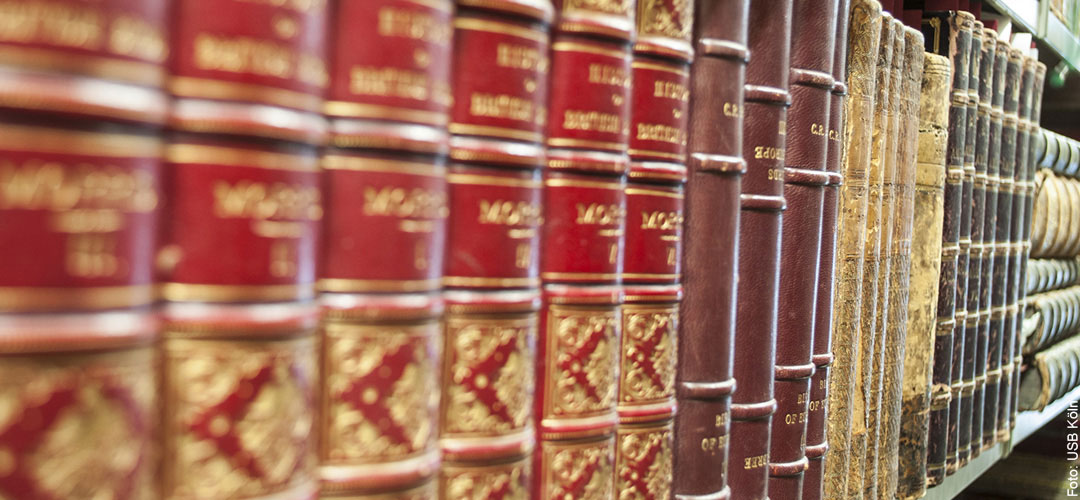
In unseren historischen Sammlungen bewahren, restaurieren und digitalisieren wir bedeutende Werke, wie die legendäre First Folio von William Shakespeare – weltweit gibt es nur 14 gut erhaltene Gesamtausgaben. Wir bewahren die Bibliotheken von Ferdinand Franz Wallraf, Jacob Ignaz Hittorff und vielen anderen sowie die Historische Stadtbibliothek für die Stadt Köln auf. Wir unterstützen die Lehre und Forschung an diesen Beständen und präsentieren die schönsten Bücher der städtischen Öffentlichkeit.
Die Universitäts- und Stadtbibliothek versteht sich als Kulturakteur in Köln und darüber hinaus. Für unser Kulturprogramm organisieren wir regelmäßig Ausstellungen, Podiumsdiskussionen und vieles mehr. Besonders hervorheben möchten wir unser Engagement für das Jubiläum Wallraf200.
Publizieren
Open-Access
Forschungsdatenmanagement
Provenienzforschung
Historische Sammlungen
Kulturprogramm
Direktion: Dr. Hubertus Neuhausen

“Unsere Aufgabe geht über das Sammeln von Büchern hinaus. Wir fördern offene Wissenschaft, digitale Kompetenzen und das kulturelle Erbe. Bibliotheken sind heute mehr denn je Orte des freien Zugangs zu Wissen, des Austauschs und der gesellschaftlichen Teilhabe. Die Bibliothek der Zukunft ist ein öffentlicher Raum für Lernen, Innovation und kritisches Denken, der allen Neugierigen und Menschen offensteht, die Neues schaffen wollen.”
Wir sind für Sie da
In der Universitäts- und Stadtbibliothek Köln sind über 150 engagierte Mitarbeiter*innen in den unterschiedlichsten Tätigkeitsfeldern aktiv. Neben unserem sehr qualifiziertem Team aus Bibliothekar*innen sind bei uns viele weitere Berufsfelder vertreten, die man nicht sofort mit einer Bibliothek verbindet – vom traditionellen Handwerk der Buchbinderei über Wissenschaft und akademische Lehre bis hin zu Verwaltung, IT und Marketing.
Ansprechpartner*innen
Jobangebote
Geschichte
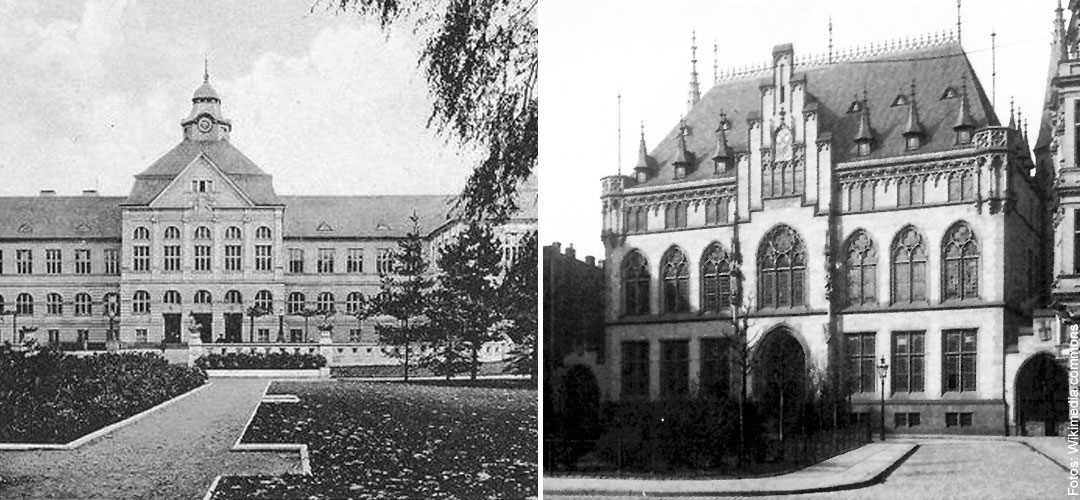
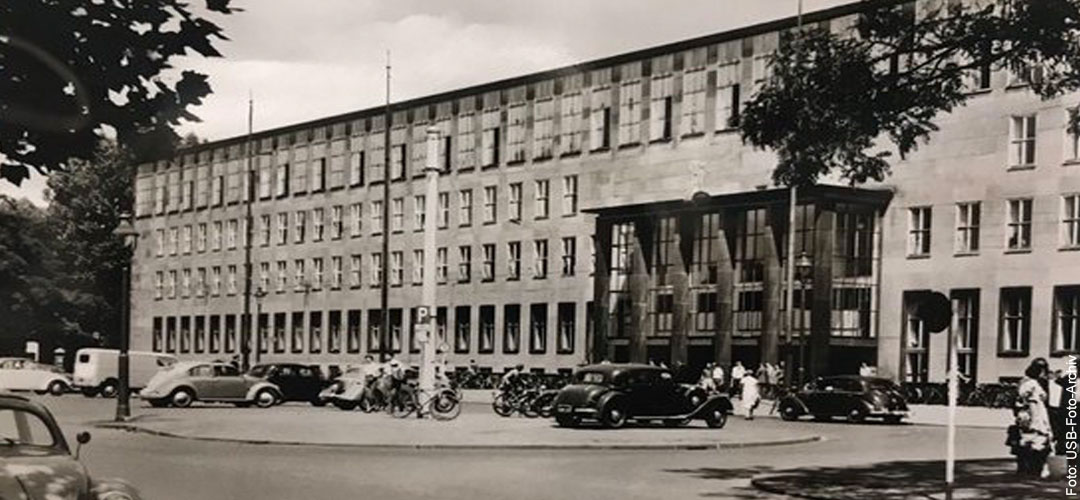
Am 14. Mai 1920 wurde die Universitäts- und Stadtbibliothek auf Initiative des damaligen Kölner Oberbürgermeisters Konrad Adenauer gegründet. Drei wissenschaftliche Bibliotheken der Stadt Köln gingen in die neue Universitäts- und Stadtbibliothek ein: die Bibliothek der ehemaligen Handelshochschule, die Stadtbibliothek im Gereonskloster sowie die Bibliothek der Akademie für praktische Medizin. 1934 zogen die Bestände in gemeinsame Räumlichkeiten im Hauptgebäude der Universität zu Köln.
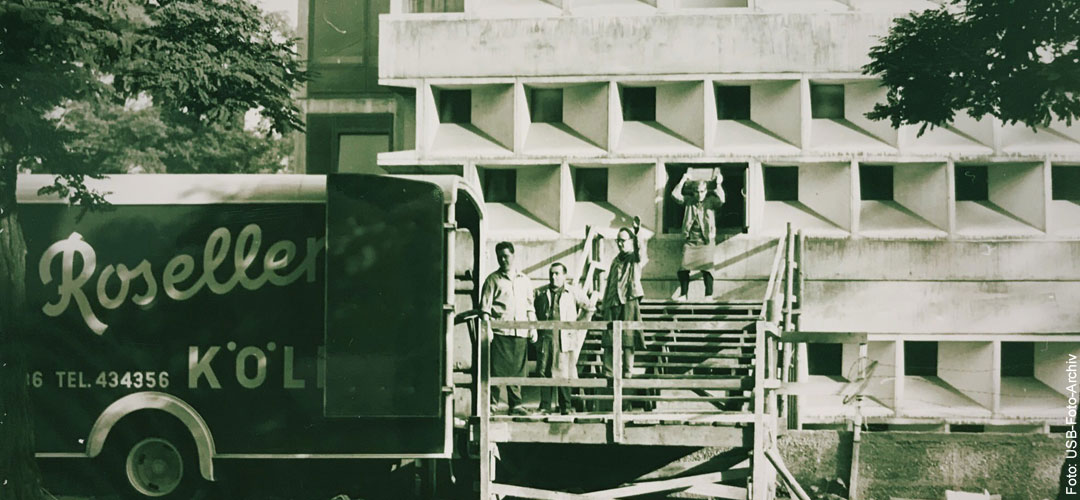
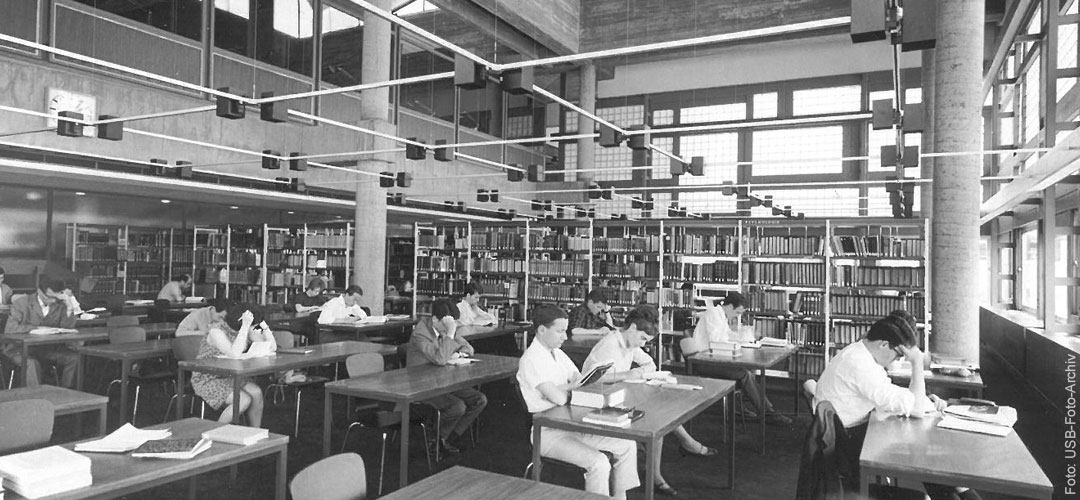
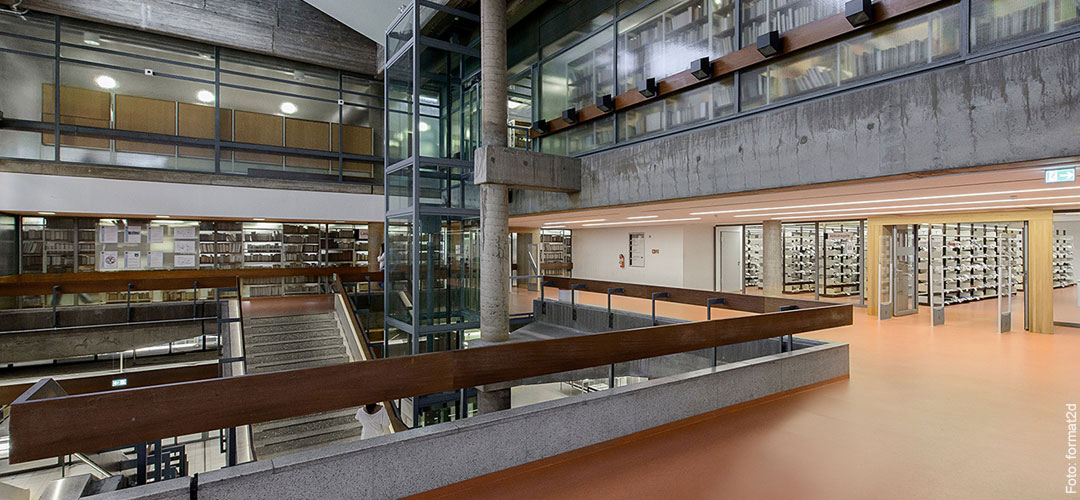
Erst in den 1960er Jahren bekamen die Bücher ein eigenes Zuhause: Der Architekt Rolf Gutbrod plante an der Universitätsstraße/Kerpener Straße eine dreigegliederte Bibliothek mit Büchermagazin, Verwaltung und Benutzung, in dem ein Großteil der Bände bis heute untergebracht ist.

Unter einem Dach
In unserer Bibliothek laufen spannende Projekte und Dienstleistungen zusammen, die weit über das tägliche Bibliotheksgeschäft hinausgehen.
Sei es als Teil der digitalen Infrastruktur der Universität zu Köln, logistische Drehscheibe im Leihverkehr über die Sortierzentrale NRW, als Impulsgeberin für die digitale Transformation von Kulturgut im Rahmen des LAM-Projekts (Library, Archive, Museum), als Heimat einer traditionsreichen Buchbinderei oder als aktiver Teil des Kölner Sammlungsgefüges – wir vernetzen, bewahren und gestalten. Hier trifft Praxis auf Innovation, Handwerk auf Wissenschaft, Vergangenheit auf Zukunft.
Sortierzentrale Nordrhein-Westfalen
LAM-Projekt
KunstBibliothek Köln
Nachhaltigkeit
Als Ort des Wissens und der Bildung trägt die Bibliothek Verantwortung für kommende Generationen. Nachhaltigkeit bedeutet für uns, Ressourcen zu schonen, digitale Angebote auszubauen und das kulturelle Erbe dauerhaft zugänglich zu machen – in sozialer, ökologischer und ökonomischer Hinsicht.
Nachhaltigkeit an der Universität zu Köln
Climate Clock und Agenda 2030
Förderung & Partnerschaften
Für unsere Arbeit ist ein starkes Netzwerk an Unterstützer*innen notwendig. Dieses reicht von bürgerschaftlichem Engagement über öffentliche Förderung bis hin zu Präsenz in den Medien. Wir bedanken uns bei unseren Förderer*innen und Partner*innen für die erfolgreiche Zusammenarbeit.